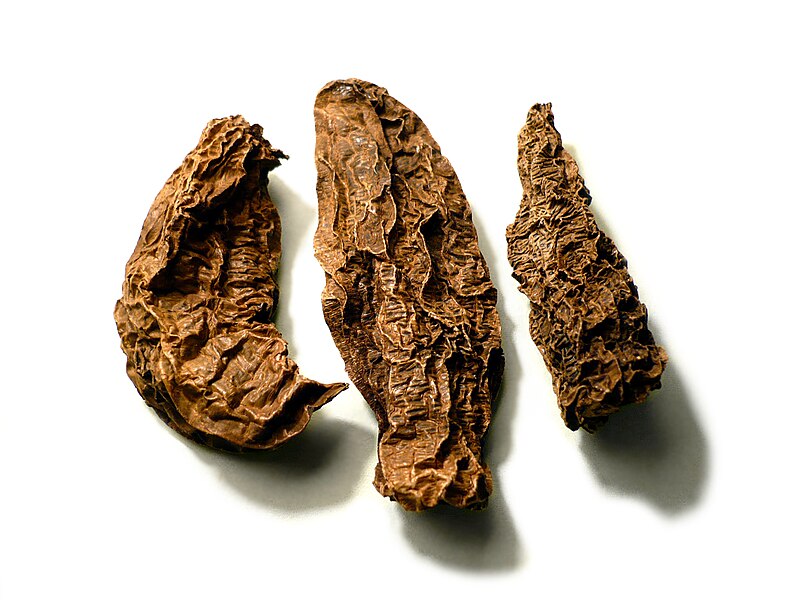
Hello Smoky Chipotle lovers. A fellow Chipotle-head / Foodie needs our help to get him to the top, Top Chef that is! His Recipe has been chosen as a top ten contender on a Top Chef challenge. Here is his letter on Foodbuzz:
Ok all I just received approval to announce my news! A few weeks ago while watching Top Chef on BRAVO TV, Quaker Oats advertised a commercial for the first ever Top Chef Quaker Oats Viewer Quickfire Challenge! Needless to say I entered my recipe, “Oatmeal Macadamia Nut Crusted Pork Tenderloin, with a Coconut Chipotle Sauce, and Grilled Pineapple Relish.“ On March 2nd I had received the news that out of a ton of entries I had placed in the top ten as a semi-finalist. Needless to say I was shocked, still am. So here is where all of my FoodBuzz friends come into play. I need all of you to go to this site
http://quickfire.bravotv.com/quickfire/viewall.php
and place your vote for my Oatmeal Macadamia Nut Tenderloin! If I receive enough votes, I will be chosen as a finalist(only 3 are chosen) and flown out to New York to compete for the Grand Prize to appear on a taping of Top Chef at a later date! I can’t tell you how much this means to me, and what an accolade it is for a career. If you should have any questions feel free to ask! YIPPEE I’m a Semi-Finalist:)
Thank you for any and all of your support!
Also make sure that you vote for Oatmeal Macadamia Crusted Pork Tendeloin
Maurice L.
Red Bluff, Ca.
Have a Great Day!
I have included the recipe below, it was ranked in fifth place when I voted. Let your chipotle-head vote be heard click a link over and vote. You can go back and vote once a day!
Ingredients
1 1.5 to 2 lb. Pork Tenderloin
1 cup of Quaker Oats
1/2 cup Crushed Macadamia Nuts
1Tbsp Minced Cilantro (add to oats and crushed macadamia nuts)
Eggwash Flour Coat Pork Tenderloin with flour, then eggwash, then oat and macadamia nut mixture. Sear all sides of Pork tenderloin an place in a 350 oven for 13 minutes.
For Sauce
1 Cup of Coconut milk
1Tsp Miso
1Tsp Fresh Minced Garlic
1/4 Tsp Grated Ginger
1 Tbsp puree'd Chipotle Peppers
3 Tbsp Brown Sugar
1 Tbsp Rice Vinegar
1 Tsp Sesame Oil
1 sprig of Mint
1 Fresh Pineapple (Caramelized) for Relish
1 Maui Onion
1 sprig of Mint Pinch of cinnamon
Clean and Dice Pineapple,
1 cup diced onion
1 Tbsp Chop Mint
1 Tsp add to mixture and add cinnamon.
Sautee' Garlic, Ginger in sesame oil (for 30 seconds), add coconut milk, brown sugar, rice vinegar, Miso, Chipotle Peppers. bring to a boil. reduce.and cover.
For Garnish, top with Caramelized Pineapple Relish and enjoy!
1 cup of Quaker Oats
1/2 cup Crushed Macadamia Nuts
1Tbsp Minced Cilantro (add to oats and crushed macadamia nuts)
Eggwash Flour Coat Pork Tenderloin with flour, then eggwash, then oat and macadamia nut mixture. Sear all sides of Pork tenderloin an place in a 350 oven for 13 minutes.
For Sauce
1 Cup of Coconut milk
1Tsp Miso
1Tsp Fresh Minced Garlic
1/4 Tsp Grated Ginger
1 Tbsp puree'd Chipotle Peppers
3 Tbsp Brown Sugar
1 Tbsp Rice Vinegar
1 Tsp Sesame Oil
1 sprig of Mint
1 Fresh Pineapple (Caramelized) for Relish
1 Maui Onion
1 sprig of Mint Pinch of cinnamon
Clean and Dice Pineapple,
1 cup diced onion
1 Tbsp Chop Mint
1 Tsp add to mixture and add cinnamon.
Sautee' Garlic, Ginger in sesame oil (for 30 seconds), add coconut milk, brown sugar, rice vinegar, Miso, Chipotle Peppers. bring to a boil. reduce.and cover.
For Garnish, top with Caramelized Pineapple Relish and enjoy!